Websites, web apps, and integrations

Custom Web Development in Buffalo, NY

Holtz Digital designs and builds purpose-made websites and web applications for Buffalo businesses that need more than a premade theme: customer portals, dashboards, databases, payments, APIs, and workflows shaped around how the business actually operates.

The short answer

What does custom web development include?

It includes the interface people use and the code, data, permissions, and integrations that make it work. Holtz Digital can take a Buffalo project from discovery and interface design through development, testing, deployment, and handoff. Website packages start at $1,500; most standard website projects take 4–8 weeks, while a complex web application commonly takes 8–12 weeks. The final proposal depends on features, integrations, content, and who is responsible for each part of launch.

When Custom Fits

Build around the workflow, not around a template

Custom development is useful when the website has to do a specific job: manage users, move data, connect software, support transactions, or replace a manual process. If a straightforward CMS-based site or a standard ecommerce platform meets the need, we will say so before adding custom application scope.

Accounts, portals, and permissions

Give customers, staff, or partners the right view and actions for their role, with authentication and permission rules defined as part of the scope.

Dashboards and business data

Turn operational data into searchable records, status views, reports, and administrative tools instead of another disconnected spreadsheet.

APIs and system integrations

Connect forms and application workflows to supported CRMs, payment providers, calendars, inventory tools, email platforms, or internal services.

Workflow and process automation

Route requests, update records, trigger notifications, and remove repeat copy-and-paste steps while keeping review points where a person is needed.

Performance-minded implementation

Plan rendering, asset delivery, database access, and caching around the product's actual traffic and interaction patterns, then test before launch.

Search-ready public pages

Keep important public content crawlable with semantic structure, page metadata, internal links, and relevant structured data where the application permits it.

Project Types

What a custom web developer can build

The right architecture follows the product requirements. Common Buffalo web application development projects include:

  • Customer, member, or partner portals
  • Internal dashboards and reporting tools
  • Booking, intake, and scheduling workflows
  • Custom calculators and product configurators
  • Subscription and account-based applications
  • Payment and order-management workflows
  • CRM, inventory, calendar, and API integrations
  • Custom content-management interfaces

How the Build Works

A scoped path from idea to working software

The first goal is to turn a broad request into a testable first release. That keeps the proposal clear and gives both sides a shared definition of done.

01
Define the job

We identify the users, the problem the system must solve, the required integrations, and what a successful first release needs to do.

02
Approve the scope and interface

You receive a defined feature list, responsibilities, price, and schedule. The key screens and user paths are reviewed before the build moves forward.

03
Build and review in stages

The front end, data model, and integrations are developed in testable pieces so decisions can be reviewed before they become expensive to change.

04
Test, launch, and hand off

We test the agreed workflows, responsive layouts, access rules, forms, and analytics, then document the delivered system and launch responsibilities.

Technology selected for the requirements

Holtz Digital works with React, Next.js, TypeScript, Node.js, Convex, PostgreSQL, and supported third-party APIs. Those are options, not a mandatory bundle. The proposal identifies the stack and why it fits the users, data, integrations, editing needs, and ongoing maintenance of the project.

What the proposal makes explicit

  • Included features and user roles
  • Content, data, and integration responsibilities
  • Project price, milestones, and approval points
  • Third-party services and recurring fees
  • Testing, launch, documentation, and handoff

Development Proof

Inspect the applications and the code-level decisions

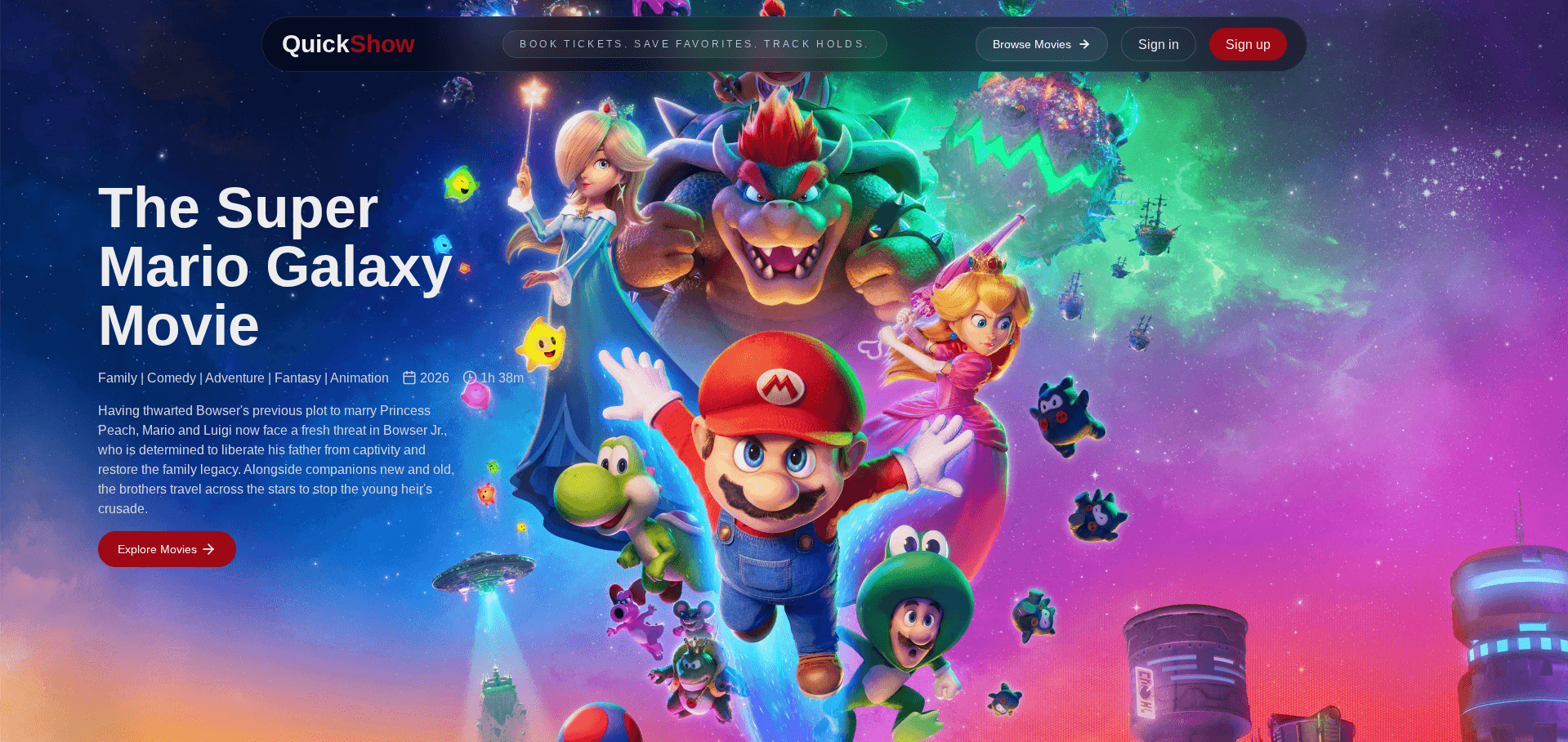
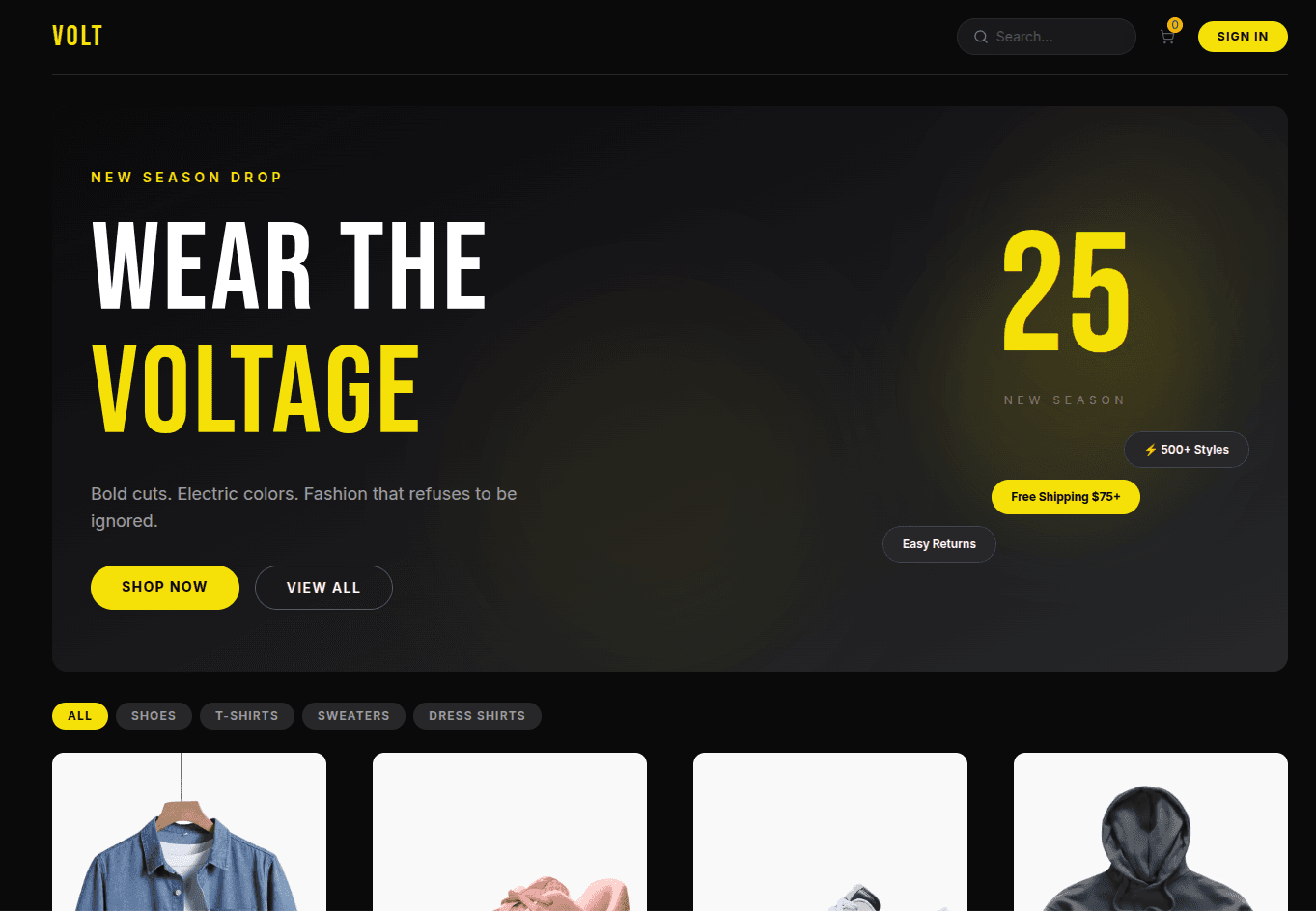
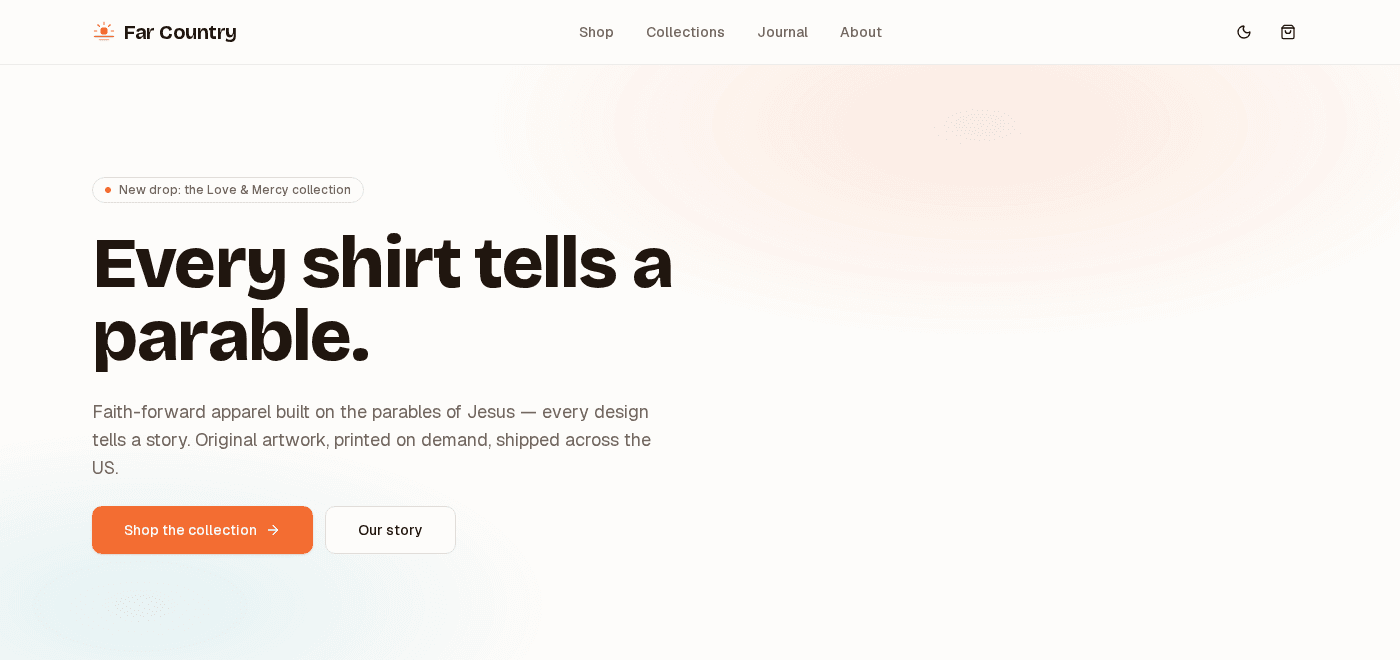
Far Country Wear is a live, Holtz-owned ecommerce business. QuickShow and the E-Commerce Platform are demonstration builds created to show application architecture and functionality; they are not client results.
Frequently Asked

Custom web development questions, answered directly

What is custom web development?

Custom web development is the design and engineering of a website or web application around a business's specific requirements instead of the limits of a premade theme. It can include public pages, secure accounts, dashboards, databases, payments, third-party integrations, and administrative tools in one system.

What is the difference between web design and web development?

Web design defines the structure, interface, and visual experience. Web development turns that approved design into a working system and handles the code, data, integrations, forms, and deployment. A Holtz Digital custom project can include both, so the design and the underlying behavior are planned together.

When is a custom website worth it instead of a template?

Choose custom development when the website must support a workflow a template cannot handle cleanly, connect several systems, serve different user roles, or remain flexible as requirements change. A template or purpose-built CMS site can be the better-value choice for a straightforward brochure site, and Holtz Digital will recommend it when custom application code is unnecessary.

How much does custom web development cost in Buffalo?

Holtz Digital website packages start at $1,500 for a brochure-style site, $3,000 for a multi-page site with CMS setup, and $5,500 for advanced strategy and functionality. Custom web applications are quoted after the required users, features, data, integrations, and launch responsibilities are scoped.

How long does a custom web development project take?

A typical website project takes 4–8 weeks. A simple brochure site can take 2–3 weeks, while a complex ecommerce build or web application commonly takes 8–12 weeks. The schedule is confirmed after the feature list, content, integrations, and approval process are known.

Can you connect a custom website to our existing software?

Usually, if the software provides a suitable API, webhook, data export, or another supported integration method. Holtz Digital can connect websites with payment processors, CRMs, calendars, analytics tools, inventory systems, email platforms, and internal databases after access, data ownership, and vendor limits are reviewed.

Who owns the custom website and source code?

After full payment, you own the final website design and custom code created specifically for your project. Holtz Digital retains its pre-existing tools and reusable components and licenses them for use in the delivered site. Third-party libraries, fonts, media, platforms, and accounts remain subject to their own terms; the proposal identifies those dependencies before development begins.

Does a custom website automatically rank better on Google?

No. Custom development provides control over semantic HTML, metadata, structured data, internal links, image handling, and performance work, but it does not guarantee rankings. Search visibility also depends on useful content, competition, authority, reputation, and ongoing optimization beyond the codebase.

Related Services

Choose the build that matches the job

From the Blog

More Web Development Tips

Guides on building fast, modern websites that perform and convert.

Ready to build something custom?

Tell us who will use it, what they need to do, and which tools it must connect to. We will help separate the essential first release from features that can wait and prepare a scoped proposal.